

 Shop Lighting
Curved silhouettes, lighting that softens a room
Curves are everywhere at the minute, but the reason they keep coming back is not just aesthetics. They are one of the quickest ways to make a space feel less rigid. A rounded shape, an arc, a softer outline, it introduces a gentler line through the room.
Most homes are built from straight edges, door frames, shelving, cabinetry, worktops. Curves work as a counterpoint to that structure. Breaking up the grid, softening the overall look, and helping the room feel less “designed around corners”, especially once the sun goes down and the lighting becomes the main event.
Lighting in particular can be a practical upgrade in how you use the space. An arched floor lamp brings light to a seating area without needing a ceiling point. A curved pendant can define the dining table as its own zone. A rounded table lamp adds a softer pool of light on a sideboard or shelf.
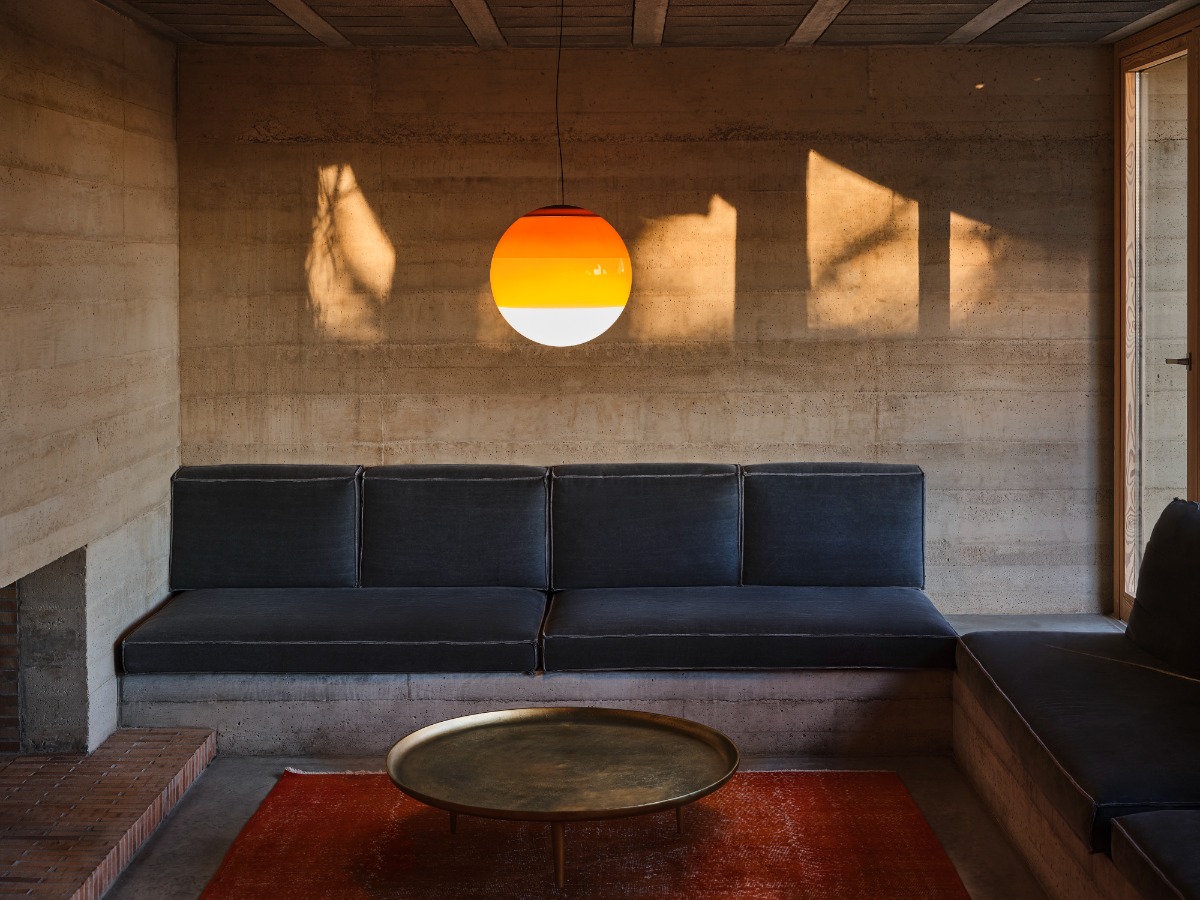
The simple science bit, why curves feel calmer
There is a neat bit of psychology behind this. In studies where people are shown everyday objects, we tend to prefer curved forms over sharp angled ones. One explanation is that sharp points read, on some level, as more “threat like”, even when the object is something harmless like furniture. It is not that corners are bad, it is just that curves feel more instinctively approachable.
In day to day terms, that can show up as visual effort. Lots of sharp angles can make a room feel more “active” to look at, even if everything is tidy. Curved shapes feel easier on the eye, which is partly why they work so well in spaces where you want to unwind, living rooms, bedrooms, dining areas.
The lighting itself matters too. Many curved designs naturally soften the light, opal glass, domed shades, layered diffusers, which reduce glare and harsh contrast. So the calmer feel is not only about the outline of the fitting, it is also about the quality of light it creates in the room.
How to use curved lighting so it looks intentional
- Start with the job, not the trend. Do you need general glow, task light, or a statement over a table.
- One hero curve per zone is usually enough. If everything is round, it can start to feel themed.
- Let straight lines do their thing. Curves look best when they contrast against clean architecture, a rectangular table, a linear sofa, simple shelving.
- Prioritise diffusion and dimming. Curves suit softer light. Opal glass, layered shades, or designs that hide the lamp, plus dimming if you can, will nearly always feel more considered.
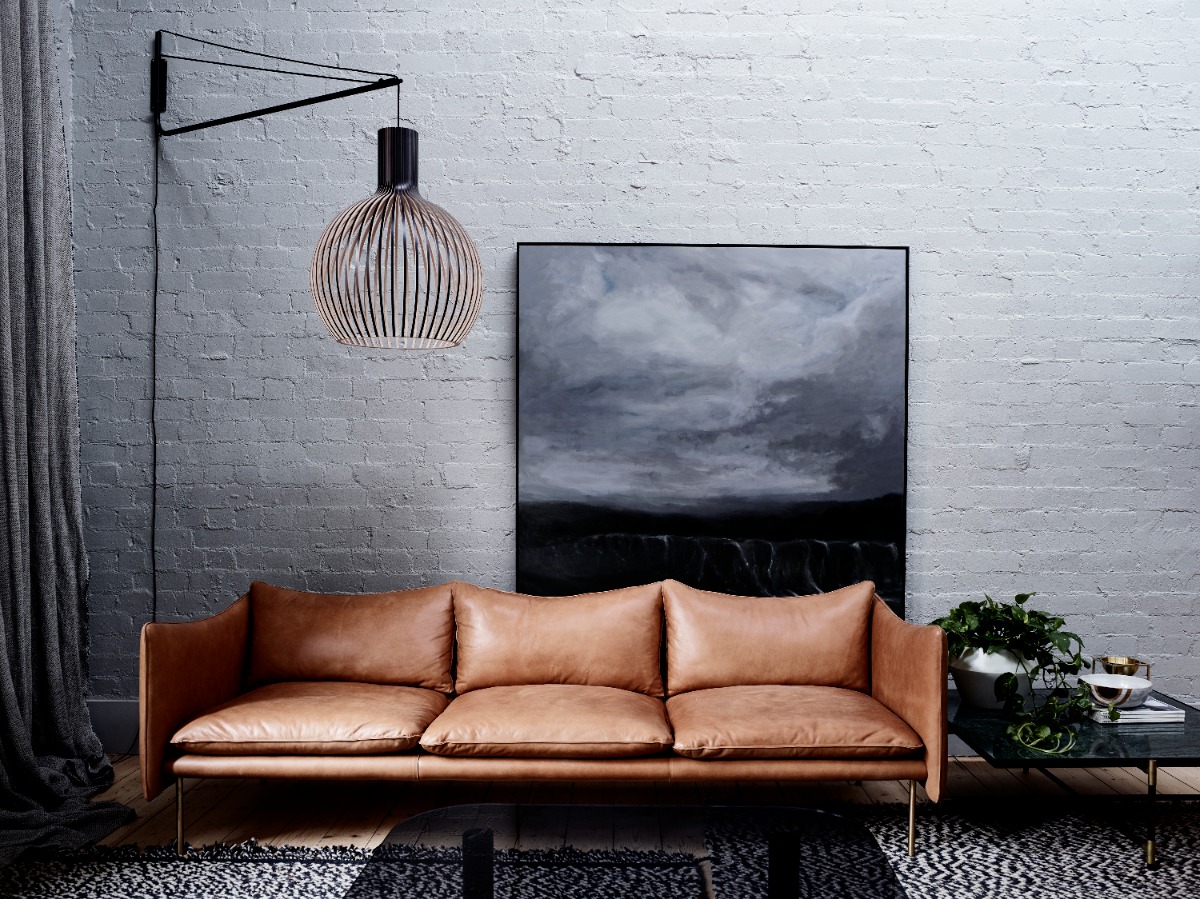
Five curved lights to build a scheme around
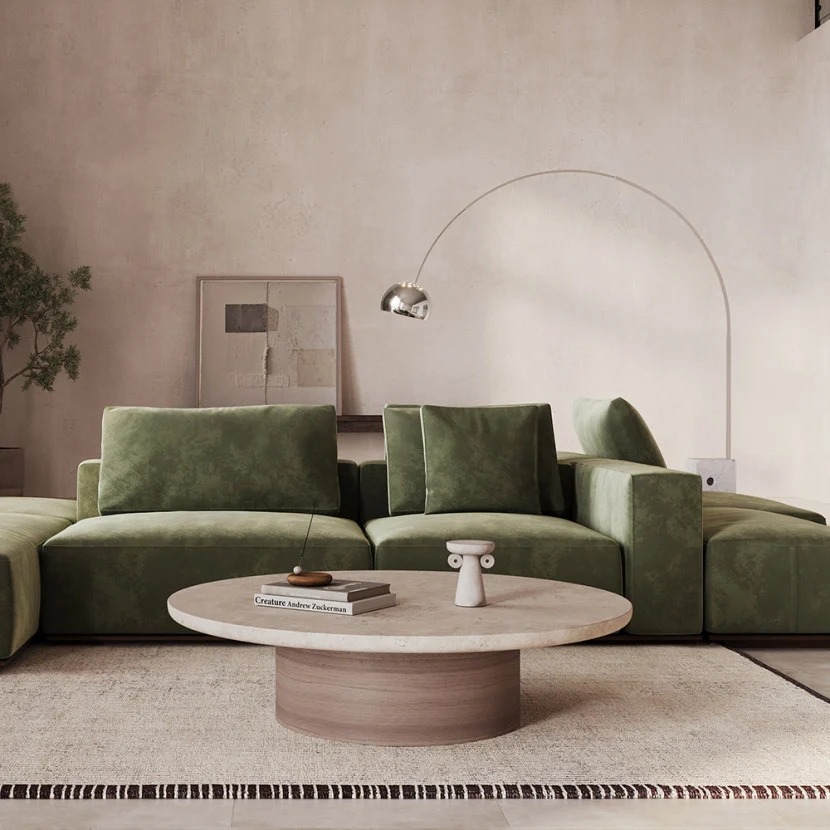
Flos Arco Floor Lamp
A classic for a reason. Arco gives you light over a table or seating area without relying on a ceiling point, and it does it with a single, confident sweep. The marble base grounds it, the telescopic arm gives it reach, and the adjustable shade helps you aim the light where you actually need it.
This is a good choice if you want a curved silhouette that reads as architectural, not decorative.
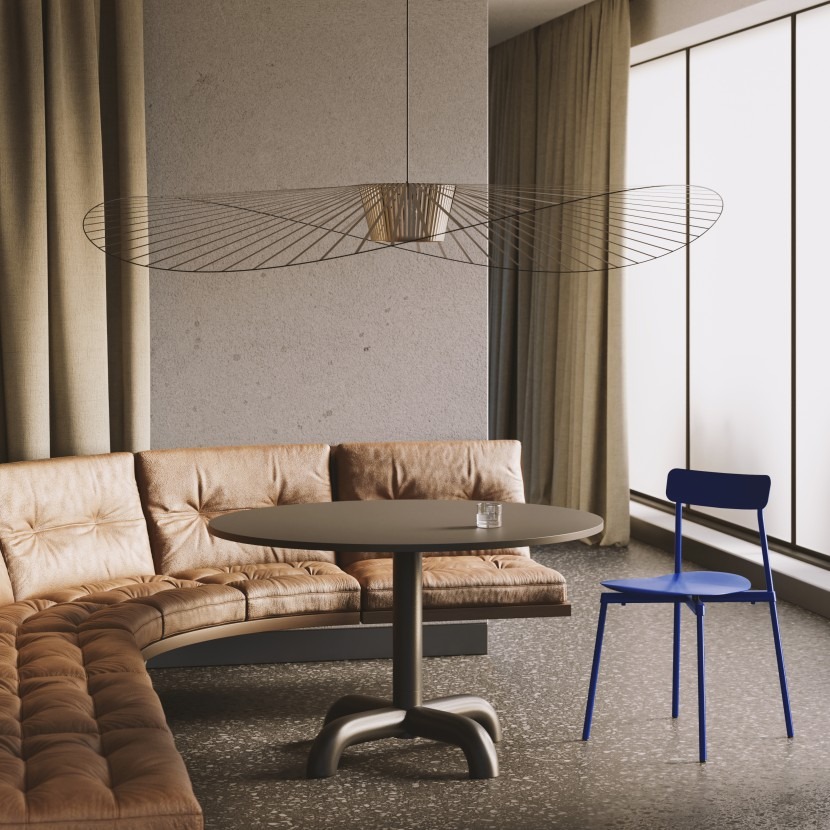
Petite Friture Vertigo Pendant
Vertigo is a statement, but it does not feel heavy. The ultra light ribbon structure creates a soft boundary in the air, and it picks up gentle movement from air currents, which gives the space a bit of life. When lit, it throws patterned shadows, so you get atmosphere as well as illumination.
It is especially strong in rooms that need a centre, but where a solid, bulky pendant would feel too dense.
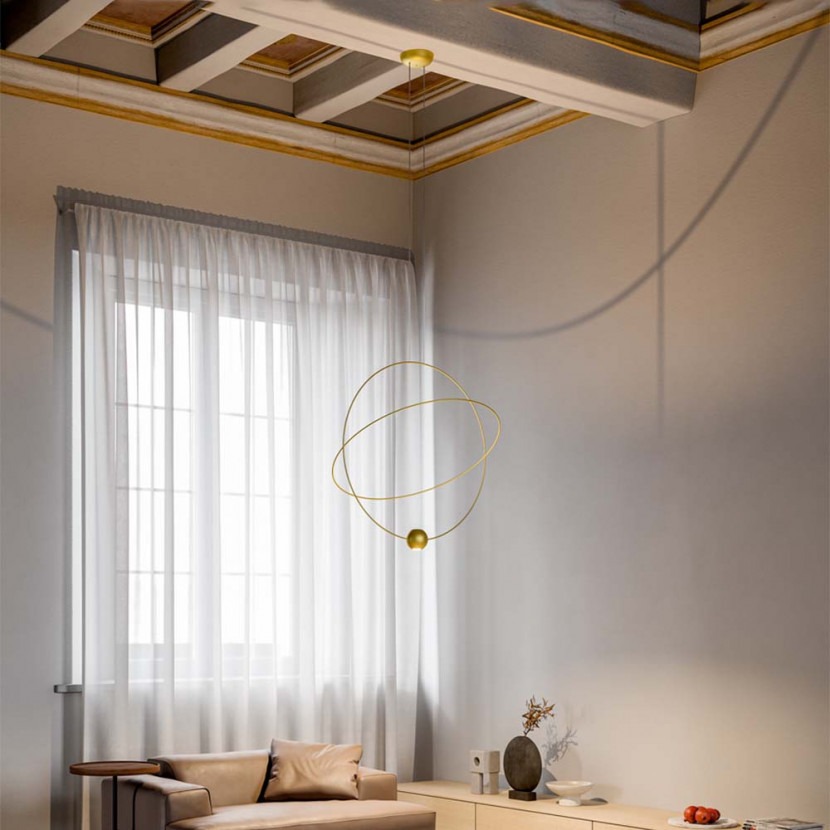
Lodes Elara Suspension
Elara is the more graphic, modern curve. The interlocking rings have an orbital feel, and the movable ring lets you change the angle and composition, which is useful if you want something dynamic rather than perfectly fixed. The light source sits in a small sphere, and the overall effect is clean and sculptural.
It also suits larger rooms and hospitality settings where you might want to repeat the fitting in pairs or small groups.
Muuto Fluid Pendant
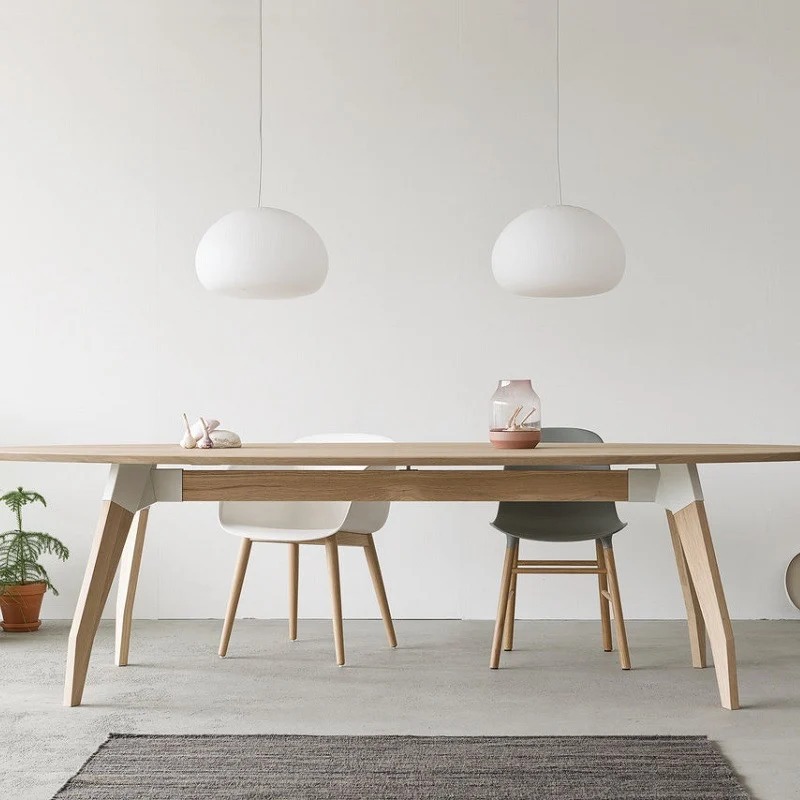
Fluid is the quiet option, a mouth blown opal form inspired by a drop of water, with an even, diffused glow. It is easy to live with, no harsh glare, no fuss, and it does not dominate the room. It works especially well when you want the lighting to support the space rather than lead it.
Because it comes in two sizes, it also lends itself to clusters that feel natural rather than overly designed.
Tom Raffield Shore Pendant
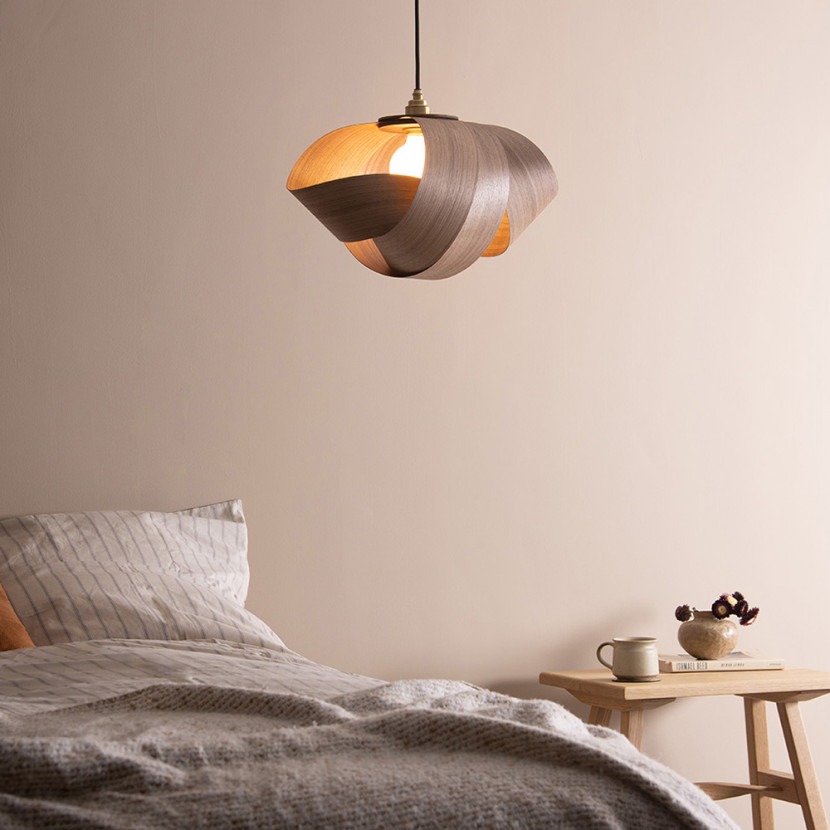
Shore is a good example of curves that feel human rather than polished. The steam-bent timber has that flowing, wave-like movement, and because it is formed from solid wood, it adds warmth even before you switch it on. When lit, you get pockets of light and shadow through the shade, so it does more than just “hang there”.
It works well when you want a statement that still feels calm, especially in rooms with a lot of straight lines, shelves, tables, door frames. The curve softens the geometry without fighting it.
The point of the trend, in plain terms
Curved lighting is at its best when it is doing something useful, softening glare, calming the feel of a room, and helping the eye move through a space without everything feeling sharp and segmented. Pick one piece that suits the job, then keep the rest of the scheme straightforward.
If you are not sure where to start, look for the “problem” in the room. A dining table that feels a bit stark under one bright fitting, a reading corner that is always slightly underlit, a kitchen that looks great in daylight but feels flat at night. A well-chosen curved light can be the missing piece to solve the issue in a way that feels natural.



 100% Authentic products
 Free delivery on orders over £100 (UK Mainland)
 14 Days Return Policy
 Overseas Shipping Available
 Over 70 Designer Brands
 Excellent Customer Service